Hablemos de Las Industrias Creativas de La Habana
A Symposium on the Future of Havana’s Creative Industries
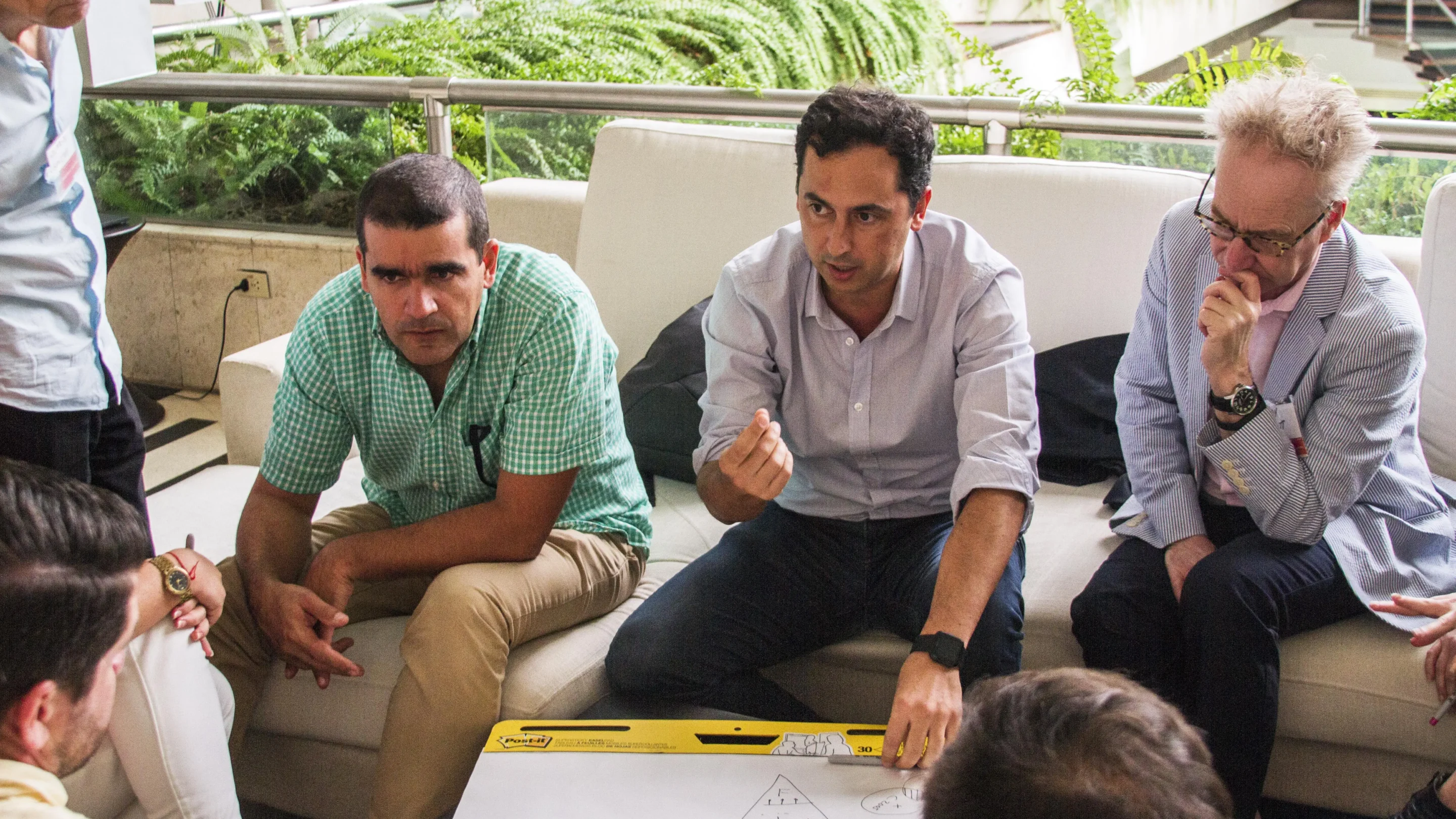
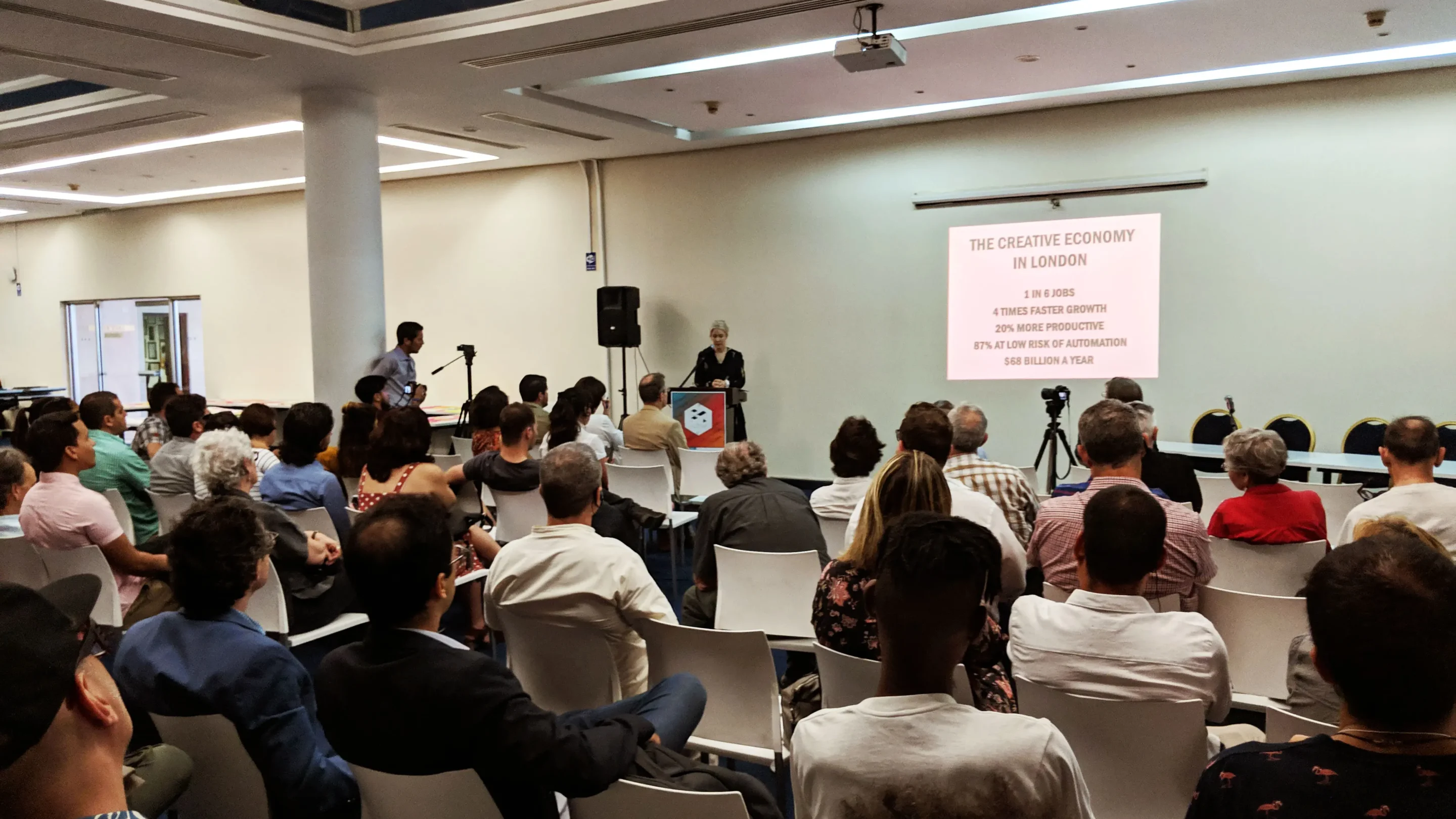
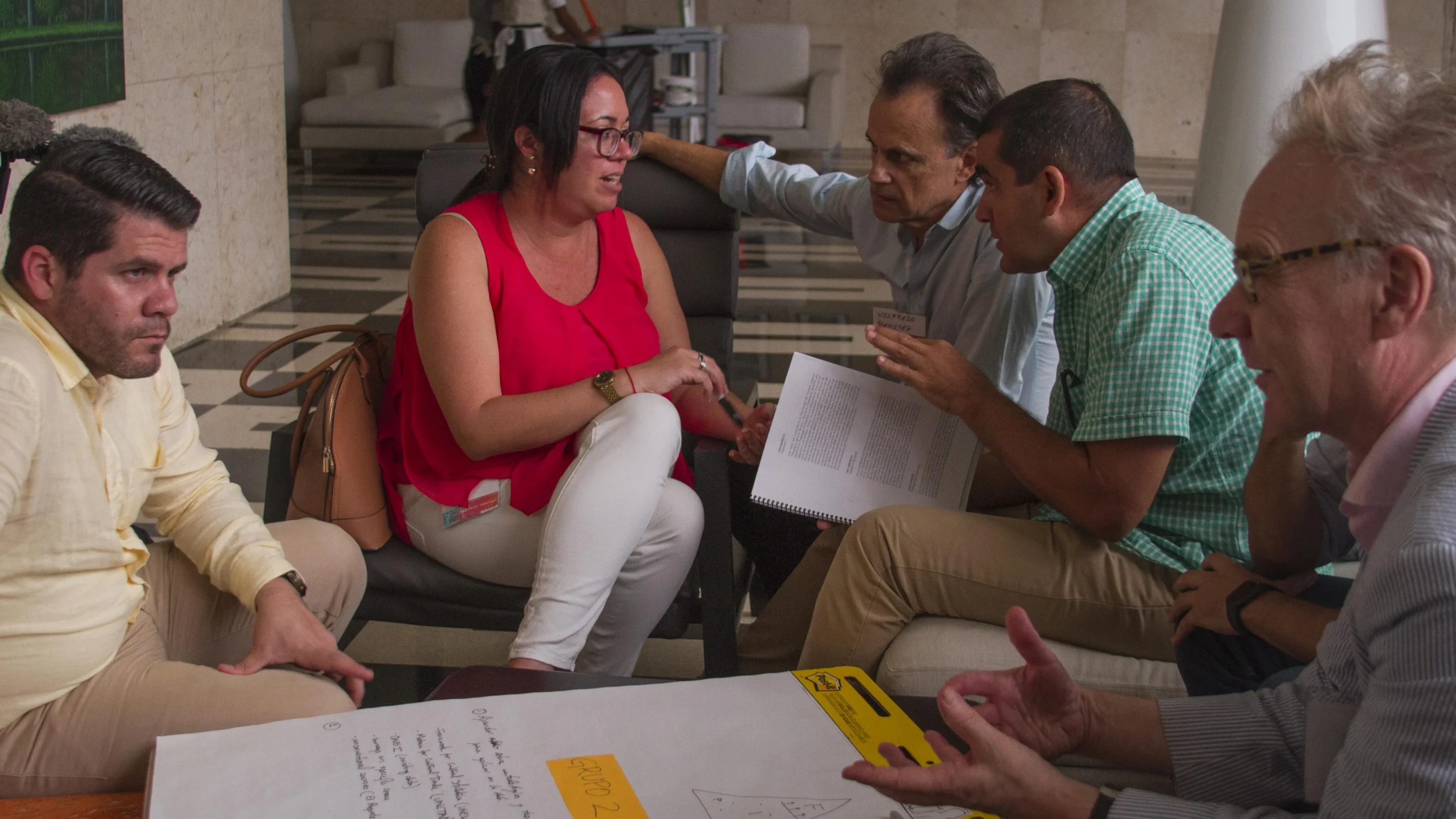
In March 2019, Friends of Havana joined the Centro de Estudios de la Economía Cubana (CEEC) and the Ludwig Foundation of Cuba to organize Hablemos de Las Industrias Creativas de La Habana, a two-day symposium focused on the future of Havana’s creative economy.
The event grew directly out of the first Hablemos de La Habana symposium in 2017, where participants identified the creative industries as one of the city’s most promising but least understood sectors. While culture already plays a major role in Havana’s identity and economy, the symposium began from the view that its full potential had not yet been properly studied, supported, or connected to urban development strategy.
Held at the Habana Libre, the symposium brought together Cuban researchers, cultural institutions, public officials, and private creative entrepreneurs alongside international experts from Europe and the Americas. Speakers included Justine Simons, Deputy Mayor of London for Culture and the Creative Industries; Daniel Carvalho, a member of the Medellín City Council; Jonathan Bowles of the Center for an Urban Future in New York; and Michele D’Addetta, who presented on European Union approaches to supporting cultural and creative sectors.
The symposium combined international case studies with presentations on Cuban experience. Participants heard from projects and institutions already shaping Havana’s creative landscape, including Fábrica de Arte Cubano, whose multidisciplinary model has become one of the city’s best-known cultural platforms. The program also highlighted other local initiatives in design, visual art, music, and cultural production, helping frame the creative industries not as an abstract concept but as an existing and evolving part of Havana’s urban life.
Across the discussions, a central theme emerged: Havana already possesses extraordinary creative assets, including a highly educated population, strong cultural institutions, a globally recognized historic center, and a vibrant community of artists, designers, musicians, and makers. At the same time, participants identified significant barriers to growth, including fragmented policy frameworks, limited access to financing, and a lack of reliable data about the sector.
The symposium helped lay the groundwork for future research and collaboration around Havana’s creative industries while strengthening connections between Cuban and international actors working at the intersection of culture, policy, and urban development.