Against the Current: Preservation on the Edge
A Meeting in NYC to discuss Preservation in Cuba
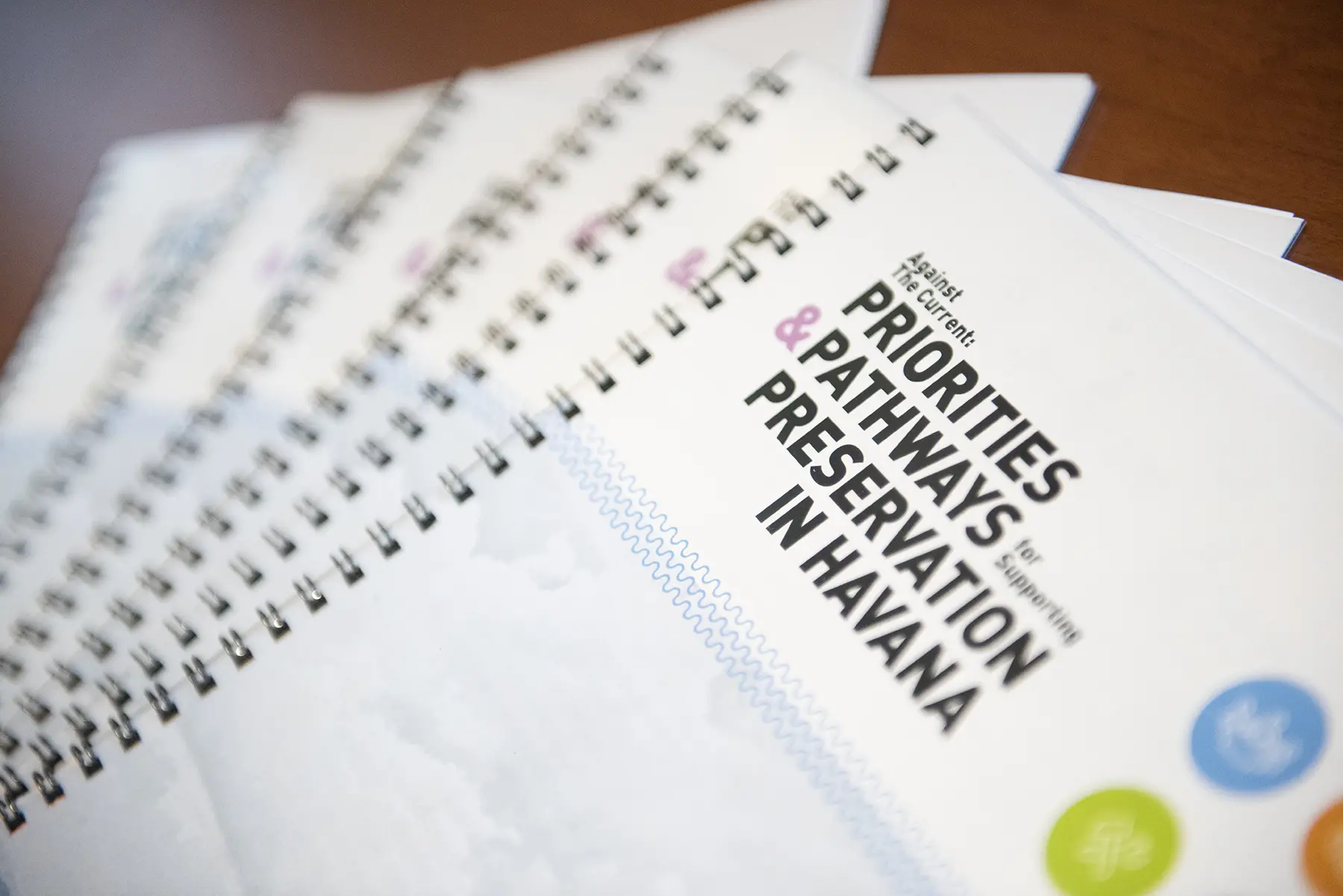


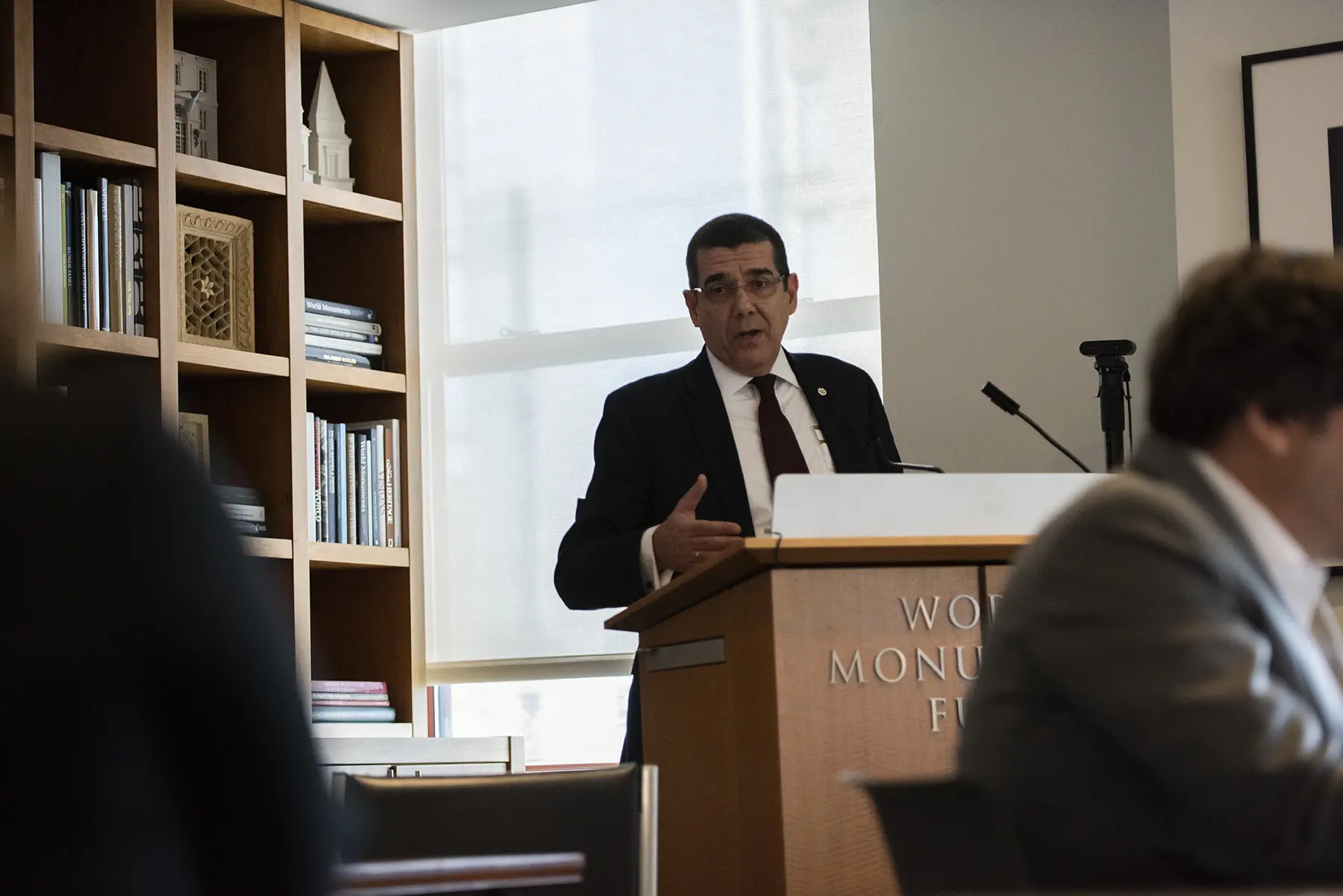
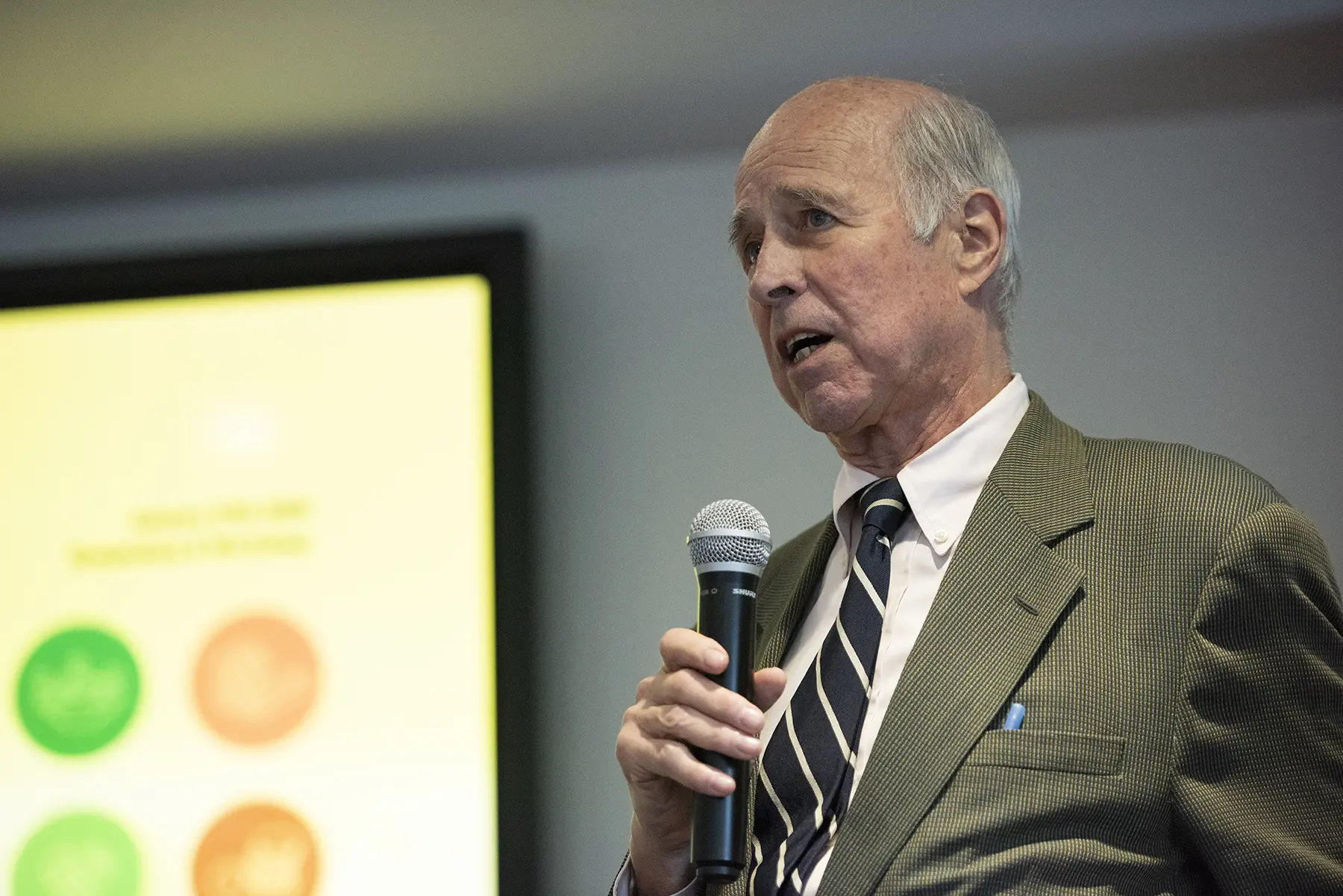

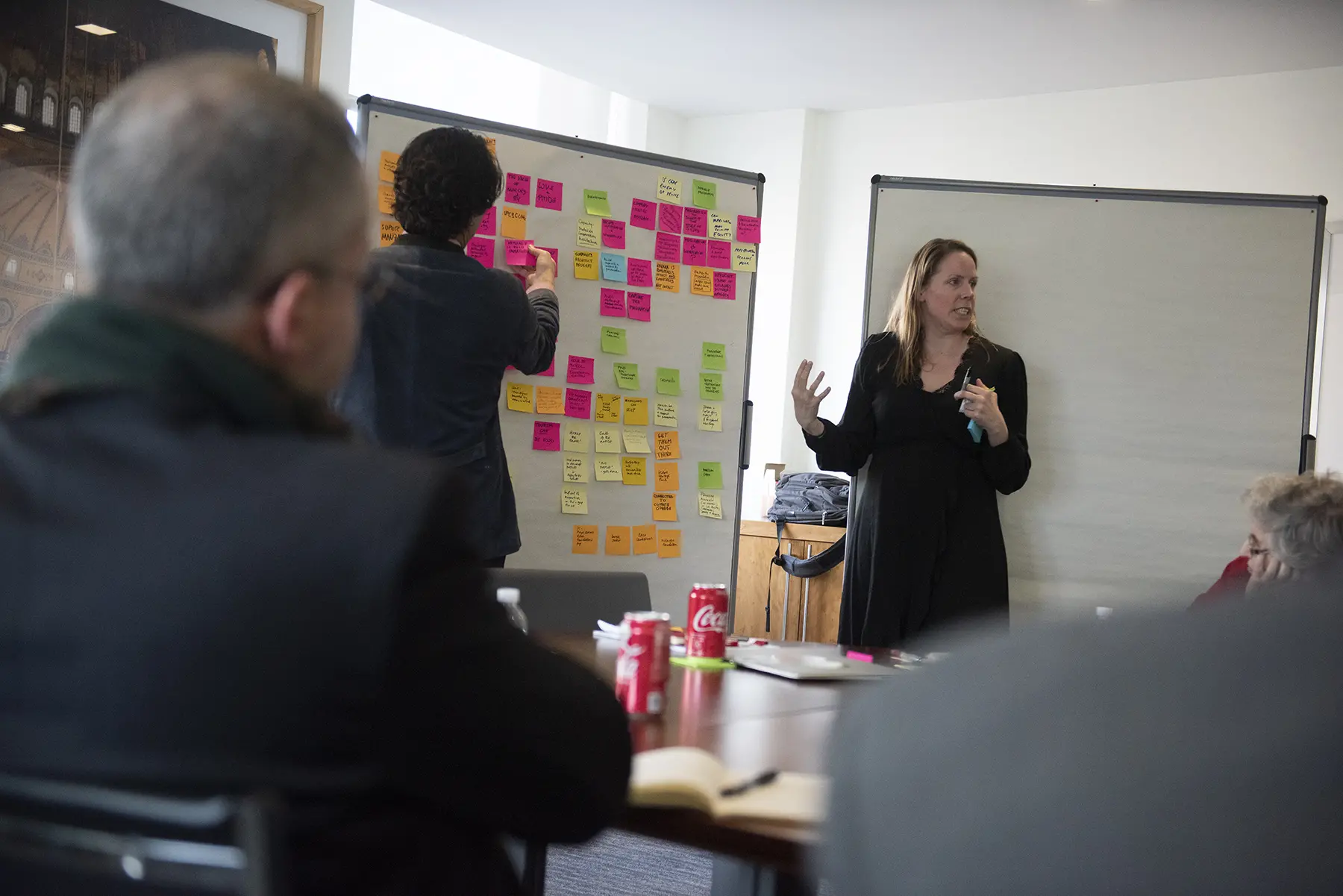
In January 2020, Friends of Havana joined World Monuments Fund and the Center for International Policy in New York City to organize Against the Current: Priorities and Pathways for Supporting Preservation in Havana, a symposium focused on how U.S. institutions could continue to support Cuban preservation efforts at a time of growing political and legal difficulty.
The meeting brought together preservationists, architects, academics, lawyers, philanthropists, and cultural leaders to examine both the challenges and the possibilities of international cooperation around Havana’s built heritage. Held in New York, the event created a space for institutions already engaged with Cuba to compare experiences, discuss legal and regulatory constraints, and identify practical ways to sustain collaboration.
Importantly, the symposium also showcased a number of specific projects that illustrated the range of preservation work taking place in Havana and beyond. These included Havana Light, the initiative led by Al Nodal and Kadir López to restore the city’s historic neon signs and revive the visual identity of commercial streets such as San Rafael and Galiano. Other case studies included the restoration of the Santa Clara Convent, work on Obispo 204 as a future environmental education center for the Fundación Antonio Núñez Jiménez, and discussions around new ideas for projects such as Pabellón Cuba and the preservation of Regla’s historic wooden houses.
The symposium also featured presentations on Havana’s urban codes, conservation practice in Cuba today, and neighborhood-scale preservation work by Pratt Institute and The New School. By combining policy discussion with concrete examples, the meeting helped clarify where support was most needed and how U.S.-based institutions might continue contributing to Havana’s preservation despite an increasingly difficult context.
This was one of Friends of Havana’s first major convenings in New York after becoming an independent organization, and it helped strengthen a growing network of people committed to Havana’s architectural future.